I am always on the lookout for great books on baseball, and I was recently given one by a friend to celebrate my retirement. “The First All-Star Game” by Randall Sullivan is more than just a baseball book. It’s an excellent summary of American history, walking the reader down the parallel paths of the national pastime and the nation’s society and politics.
I must admit that as I picked up the book, I expected to be reading about the great All-Star game when Carl Hubbell struck out five consecutive future Hall-of-Famers: Babe Ruth, Lou Gehrig, Jimmy Foxx, Al Simmons and Joe Cronin. But that happened in the second All-Star Game, in 1934 at the Polo Grounds.
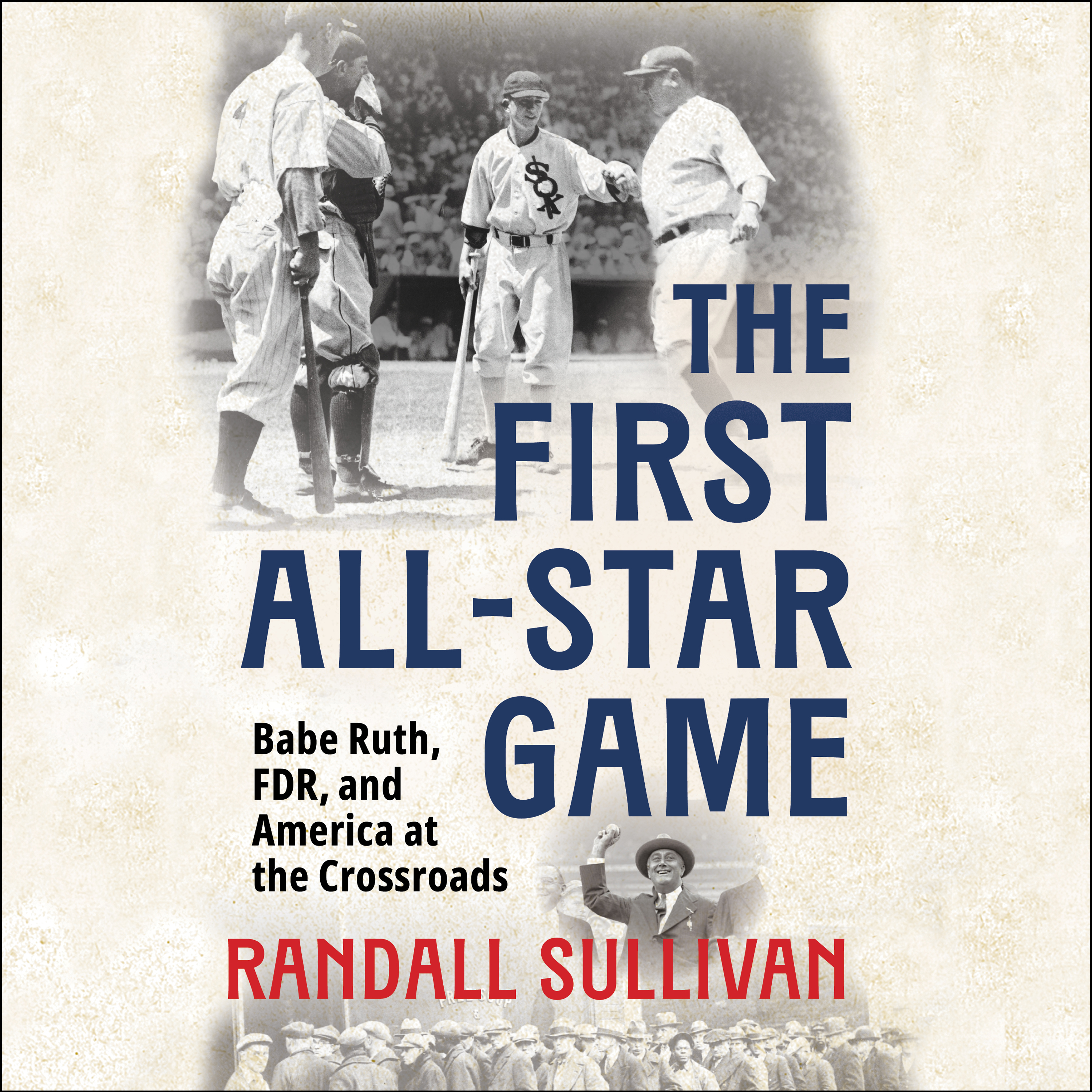
The first All-Star contest was in 1933 in Chicago. The game was the brainchild of Chicago Tribune sports editor Arch Ward, who saw another opportunity to promote the Windy City as crowds flocked there for the 1933 World’s Fair.
In that year, the United States was deep in the heart of the Great Depression. Franklin Delano Roosevelt took office as president. Prohibition — with the bloody gangland, bootlegging violence it spawned — was in its waning months. Baseball teams, minor- and major-league, were struggling financially as attendance dropped amid staggering levels of unemployment and hardship.
Ward worked hard to sell his “Game of the Century” to skeptical and sometimes hostile baseball executives. Sullivan details the obstacles Ward overcame to get it scheduled for July 6 and the train trips the players took to converge in Chicago.
The fans selected the players on ballots appearing in the Tribune and in other newspapers across the country. John “Muggsy” McGraw managed the “senior circuit” National League team, and Connie Mack managed the American League squad. In a precursor to future squabbles, they took heat from some of the fans for their pitcher selections. Some players got in on the strength of earlier seasons.
Sullivan gives brief biographies of the players, most of them familiar to today’s fans with an appreciation for the history of the game. There were a few I was not familiar with, such as N.L. starting pitcher Bill Hallahan of the St. Louis Cardinals and General Crowder of the Washington Senators, who pitched the middle innings for the A.L.
Nobly, Sullivan also focuses unflinchingly on the Negro Leagues players of that era who were excluded from the game because of the color of their skin.
The book illuminates aspects of American and baseball history that I either forgot or never knew. Among them were an assassination attempt on FDR, the professional life of baseball commissioner Kenesaw Mountain Landis, and how Comiskey Park was chosen over Wrigley Field as the game site in a coin flip.
The book takes its time, pleasingly unspooling the historical context before actually getting to the game story toward the end.
Sullivan’s prose is clear and compelling, his storytelling commendable. The book, published in June by Grove Atlantic, is a worthy read. 🧢


